

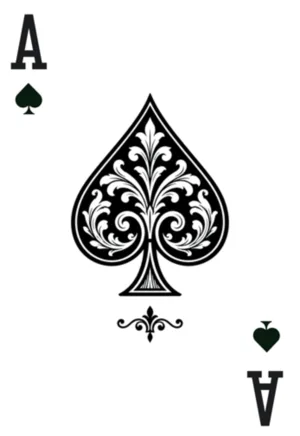
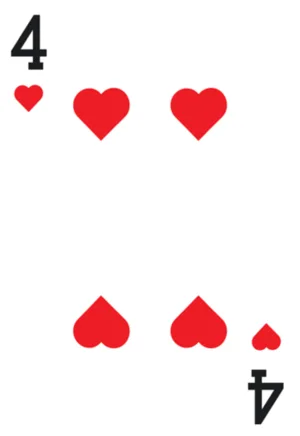
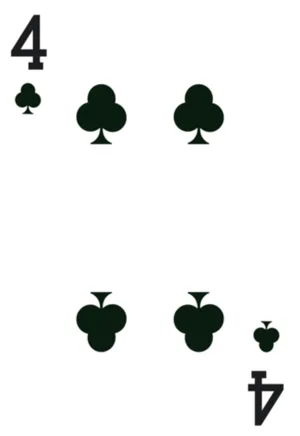
 Double.
Why basic strategy says double
Soft 15 cannot bust on one card because the ace can revert to 1. Against a 4, the dealer busts more often than against any other upcard, so taking exactly one card with twice the bet is worth more than drawing freely.
If doubling is not allowed, hit instead.
Doubling ends the hand after one card. Add a bet equal to the original wager.
If the table restricts you: If doubling is not allowed, hit.
Engine explanation: Double with soft 15 against 4. This is a doubling situation: add an equal wager and receive exactly one card. This is a long-run basic-strategy decision, not a prediction of the next card.
Soft 15 against every upcard
H hit · S stand · D double · P split. Select a cell for its page.
Nearby soft totals against a 4
| Hand | Move | |
|---|---|---|
| Soft 13 | Hit | Why → |
| Soft 14 | Hit | Why → |
| Soft 15 | Double | Why → |
| Soft 16 | Double | Why → |
| Soft 17 | Double | Why → |
| Soft 18 | Double | Why → |
| Soft 19 | Stand | Why → |
| Soft 20 | Stand | Why → |
Training rules: six decks · dealer stands on soft 17 · no surrender
This is a separate educational profile. Rules can differ between app tables and other games.
- Six decks. Dealer stands on all 17s, including soft 17.
- US hole card and peek: decisions assume the dealer has checked and does not have blackjack.
- Double any first two cards, including after splitting. Doubling ends the hand after one extra card.
- Split equal card values into at most four hands. Split aces receive one card each; no resplitting aces.
- No surrender. A natural blackjack pays 3:2; 21 after splitting is not a natural.
- Total-dependent strategy. No card counting or expected-value estimates.
Profile six-deck-s17-das · rules 1.0.0 · strategy 1.0.0. The trainer asks for one decision per hand; it does not simulate wagers or settlement.